
Quotes (372)

When [Jesus] bids us to take up our cross, He means come and die. The cross was a place of horrible execution. It would have been unthinkable in Jesus’ day to wear a cross as a piece of jewelry. It would have been like wearing a miniature electric chair or lynching rope. His words must have had a terrifying effect: “Whoever does not take up his cross and follow Me is not worthy of Me” (Matthew 10:38). So today the words are sobering. They mean at least that when I follow Jesus as my Savior and Lord, the old self-determining, self-absorbed me must be crucified. I must every day reckon myself dead to sin and alive to God.

– John Piper

Quotes (371)

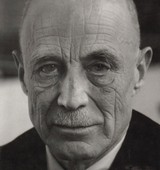
awpink.jpg The grace of God is proclaimed in the Gospel (Acts 20:24), which is to the self-righteous Jew a “stumblingblock,” and to the conceited and philosophizing Greek “foolishness” (1 Corinthians 1:23). Why so? Because there is nothing whatever in it that is adapted to gratify the pride of man. It announces that unless we are saved by grace, we cannot be saved at all. It declares that apart from Christ, the unspeakable Gift of God’s grace, the state of every man is desperate, irremediable, hopeless. The Gospel addresses men as guilty, condemned, perishing criminals. It declares that the most chaste moralist is in the same terrible plight as the most voluptuous profligate; that the zealous professor, with all his religious performances, is no better off than the most profane infidel.

– A.W. Pink

1886 – 1952

Sermon of the week: “Sermon at Barbra Washer’s Funeral Service” by Paul Washer.

This week’s sermon is a message that Paul Washer delivered at his own mother’s funeral service. It is only 19 minutes in duration and is entitled Sermon at Barbra Washer’s Funeral Service.

The White Horse Inn: “The Glory Story.”

This episode of the White Horse Inn is entitled The Glory Story.

On this edition of the White Horse Inn the hosts discuss the influence of both Pelagianism and Gnosticism in the American religious landscape. And the net result is what they refer to as “the Glory Story.” In contrast to the theology of glory, however, the hosts make a case for recovering a clear understanding of the “theology of the cross.”

Here’s a sample exchange between the hosts from this episode:

Kim Riddlebarger: There’s nothing more embarrassing than a reformation preacher attempting to be relevant.

Mike Horton: We’re going to bring Him down . . . wait a second, wait a second hot shot, He came down and He comes down if you would just explain and expound the passages.

Kim Riddlebarger: Preach the text and get out of the way and let the text do its work.

Michael Horton: That is so relieving.

Ken Jones: It is, you know you don’t have to try to measure yourself against what’s going on down the street or what people are used to on religious television. Make the announcement and trust that the same God who made this Word clear to you will, by His Spirit, illumine the hearts of your hearers to recognize and receive the Savior.

The White Horse Inn: The Case for Theology and Apologetics.

On these two episode of The White Horse Inn, the guys discuss The Case for Theology and Apologetics. These episodes feature more man-on-the-street interviews of pastors from a pastor’s convention in which their answers to questions and “excuses” may surprise you.

The countless errors, false doctrines, and utterly embarrassing biblical illiteracy running rampant in Christendom can be directly traced to the lack of teaching and shepherding of the flock that the average American pastor is avoiding. This was a great discussion and a must-hear for pastors.

The Case for Theology and Apologetics 1: How important is it to know what you believe and why you believe it? Should the average Christian be informed about doctrines like justification and propitiation, or are those only for academic types? On this edition of the program the hosts discuss these question and interact with some on-the-street polls taken at a recent pastors convention.

The Case for Theology and Apologetics 2: On this edition of the White Horse Inn the hosts continue to interact with recent polls taken at a pastors convention on the importance of understanding theology and Biblical terminology. They also respond to the great number of pastors who preferred the sharing of one’s personal testimony over the use of apologetics to reach outsiders.